Welcome to the Onshape forum! Ask questions and join in the discussions about everything Onshape.
First time visiting? Here are some places to start:- Looking for a certain topic? Check out the categories filter or use Search (upper right).
- Need support? Ask a question to our Community Support category.
- Please submit support tickets for bugs but you can request improvements in the Product Feedback category.
- Be respectful, on topic and if you see a problem, Flag it.
If you would like to contact our Community Manager personally, feel free to send a private message or an email.
Best Of
Re: Improvements to Onshape - October 31st, 2025
"RESIZABLE PROPERTIES DIALOG"
Great!!!
Now, please make dimension input fields in sketches also resizable! 😏

Re: Improvements to Onshape - October 31st, 2025
There is an update I keep waiting and wanting to see… I work with sheet metal often. On drawings- There needs to be a way to hide some of the automated bend notes. As it is, you can either hide all or show all. The automated bend notes will put multiple callouts on a singular bend line when there is a cutout somewhere on the line. - A bend note is added both sides of the cutout. Some bend lines have many cutouts along the bend. This makes for very messy drawings. I usually end up hiding all bend notes and manually inputing the bend callouts. I have run into this issue many times. I recommend an automated faint construction line that connects across the cutout spaces to show that it is a singular aligned bend. I hope this is an easy update to implement. Thank you!

Re: Understanding Managed In-Context Design, In context design within a doc, step 28
The lines might be black, but look carefully for some blue line endpoints. When I did the exercise, I had two endpoints I had to constrain.
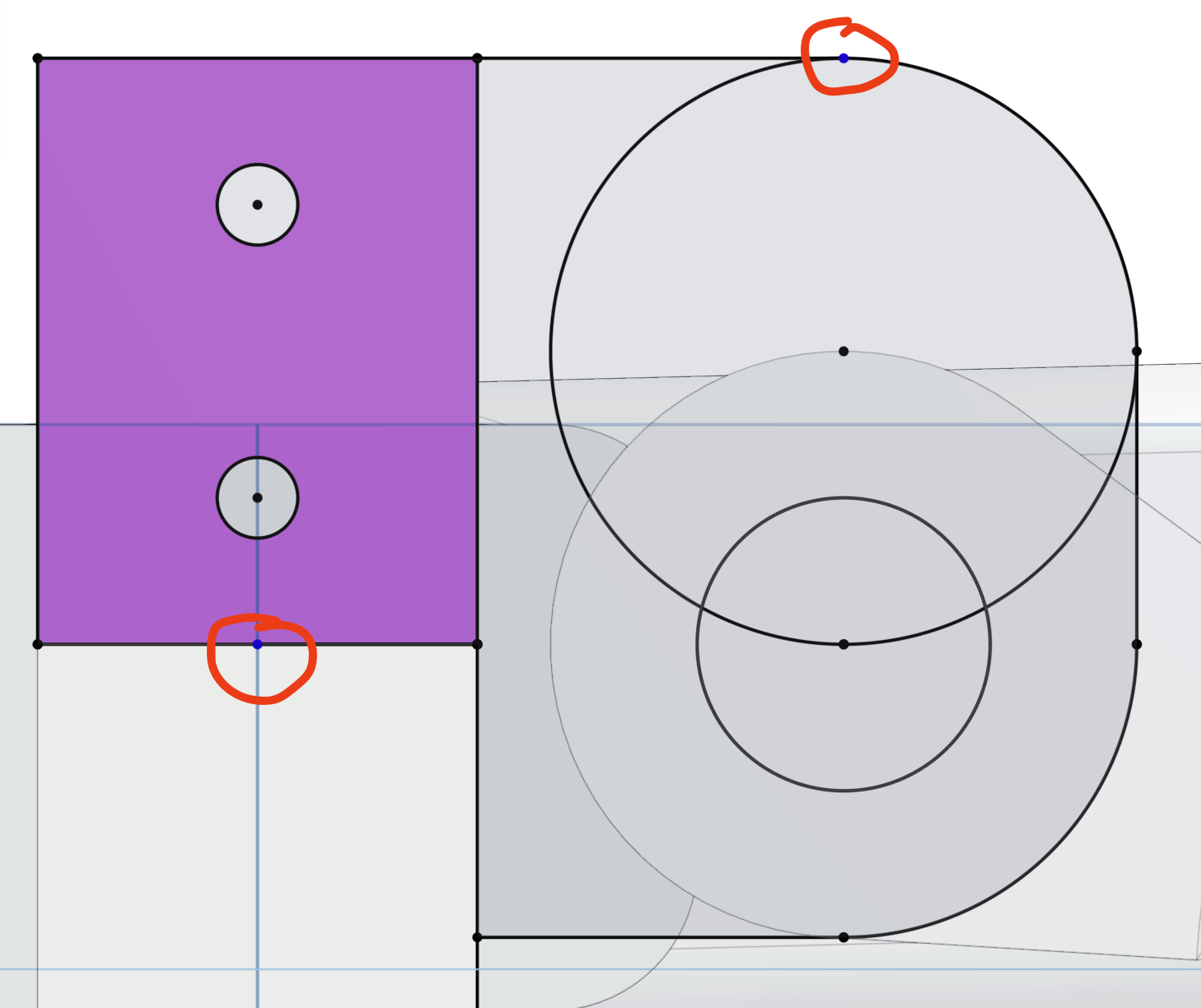
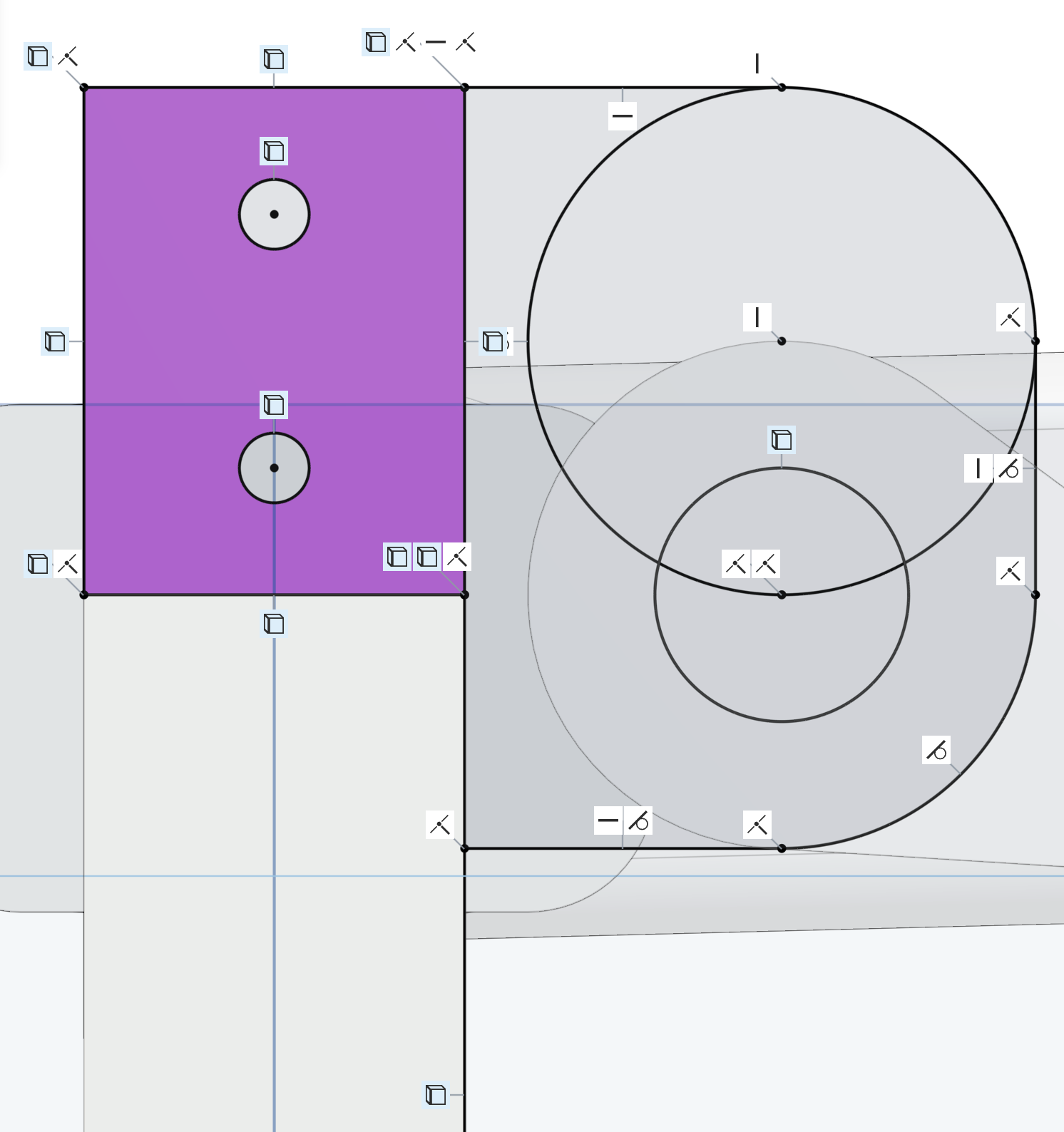

Re: Improvements to Onshape - October 31st, 2025
Good stuff! I already set a shortcut for Previous View

Improvements to Onshape - October 31st, 2025
DRAWINGS IMPROVEMENTS
REFER TO CUT LIST DATA ON CALLOUTS
Cut list data can now be referenced directly in callouts for views of individual cut list parts, even if the source Composite frame is not present in the drawing.
DUPLICATE ROWS OR COLUMNS IN GENERAL TABLES
General tables on drawings now support duplicating rows and columns with current values.
DATA MANAGEMENT
IMPROVEMENTS TO THE ADD ASSOCIATED DRAWING BUTTON IN RELEASE CANDIDATES
The button to add associated drawings to a release can now pull drawing references from versions, including versions from other documents. Additionally, the button can now pull out of date drawings from both versions and workspaces
SUPPORT FOR TEAMS AND ALIASES AS TASK ASSIGNEES
Tasks in Onshape Enterprise can now be assigned to Teams or Aliases, not just individuals. This streamlines task workflows and improves collaboration for shared responsibilities.
GENERAL IMPROVEMENTS
UPDATED LANDING PAGE EXPERIENCE
The Onshape landing page has been updated for improved consistency and usability, based on user feedback. Expect a cleaner layout and more intuitive access to recent documents and filters. For Enterprise accounts, the top bar navigation has shifted to the left side of the screen.
DRAG-AND-DROP IMPORT ON DOCUMENTS PAGE
The Documents landing page now supports drag-and-drop of imported files directly.
RESIZABLE PROPERTIES DIALOG
The Properties dialog can now be resized, giving you more room to view and edit metadata, especially helpful when working with long property lists or custom attributes.
UNDO LAST CHANGE TO VIEW ORIENTATION
A new undo action allows you to instantly revert your last view orientation change.
CAM STUDIO
SUPPORT FOR AIR COOLANT
CAM Studio now includes an Air coolant option in each operation’s posting settings, letting users specify external air cooling during machining for more accurate post-processing and setup documentation.
RENDER STUDIO
DRAG-AND-DROP FUNCTION ATTACHMENT FROM RIGHT PANEL
You can now drag and drop functions directly from the right panel library to attach them to appearance properties. This complements the traditional lower-panel workflow and speeds up complex material setup.
MOBILE
REVAMPED TOOLBAR AND FEATURE GROUPING ON iOS
The iOS apps for iPhone and iPad now feature a redesigned toolbar that takes advantage of expanded screen space on modern devices. Feature tools are grouped by type, with recently used tools appearing in the upper right for faster access and improved efficiency.Please take a moment to try out these new features and improvements and leave your comments below. For a detailed list of all the changes in this update, please see the changelog.
Remember: The updates listed here are now live for all users when creating new Documents. Over the next few days, these features will also be available in Documents created before this update. Mobile app interface updates occur via the Apple App store or Google Play store and happen in the days following the update.
